


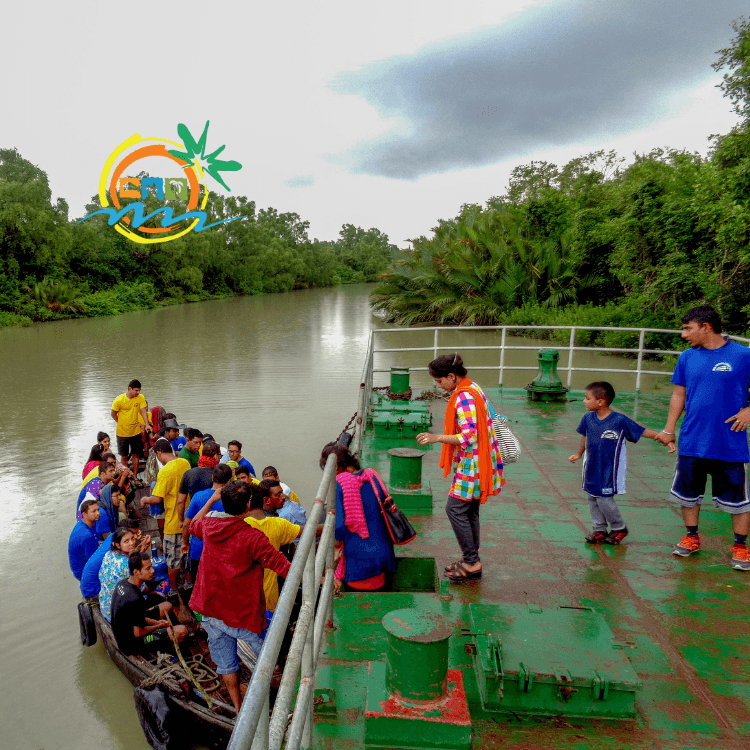
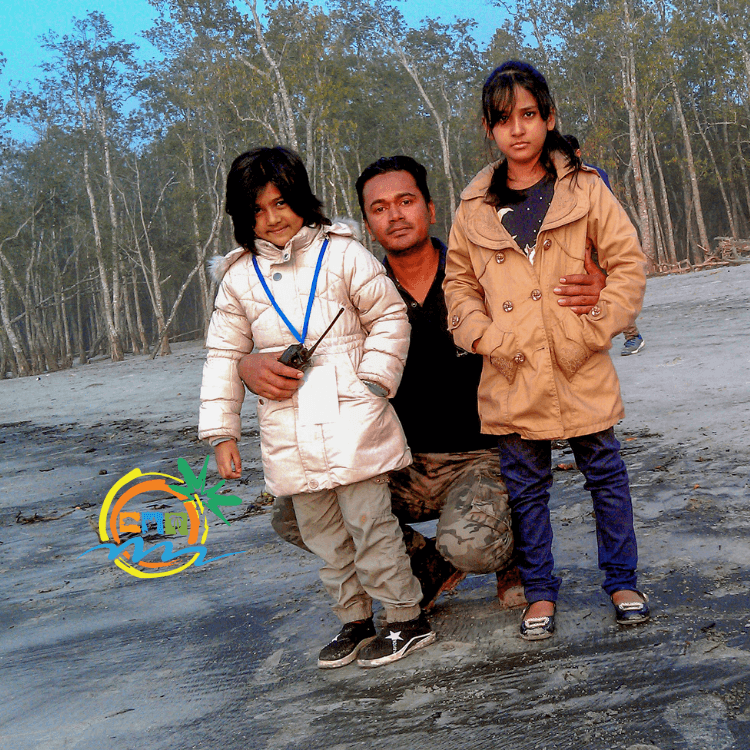
Sundarban Traveler is a trusted Sundarban travel agency offering:
Affordable and best Sundarban tour packages
Expert guides and safety-trained crews
Family-friendly and honeymoon-ready accommodations
Eco-tour and adventure-friendly itineraries
Online booking support for tourists from Khulna.
15
Year of Experience
Sundarban six months.
Following six months of intensive treatment, the rescued tigress was released in full health on July 12, 2026,
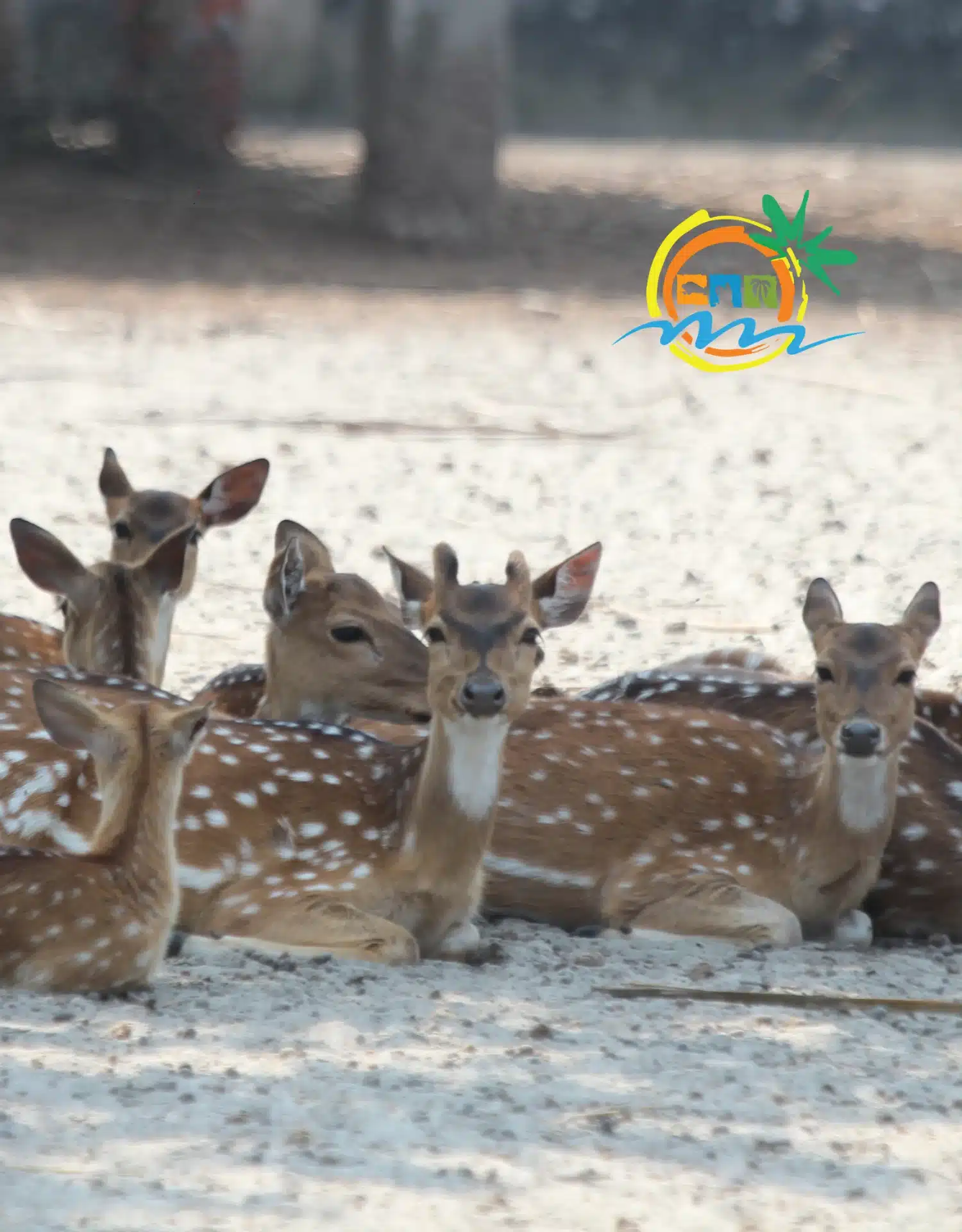
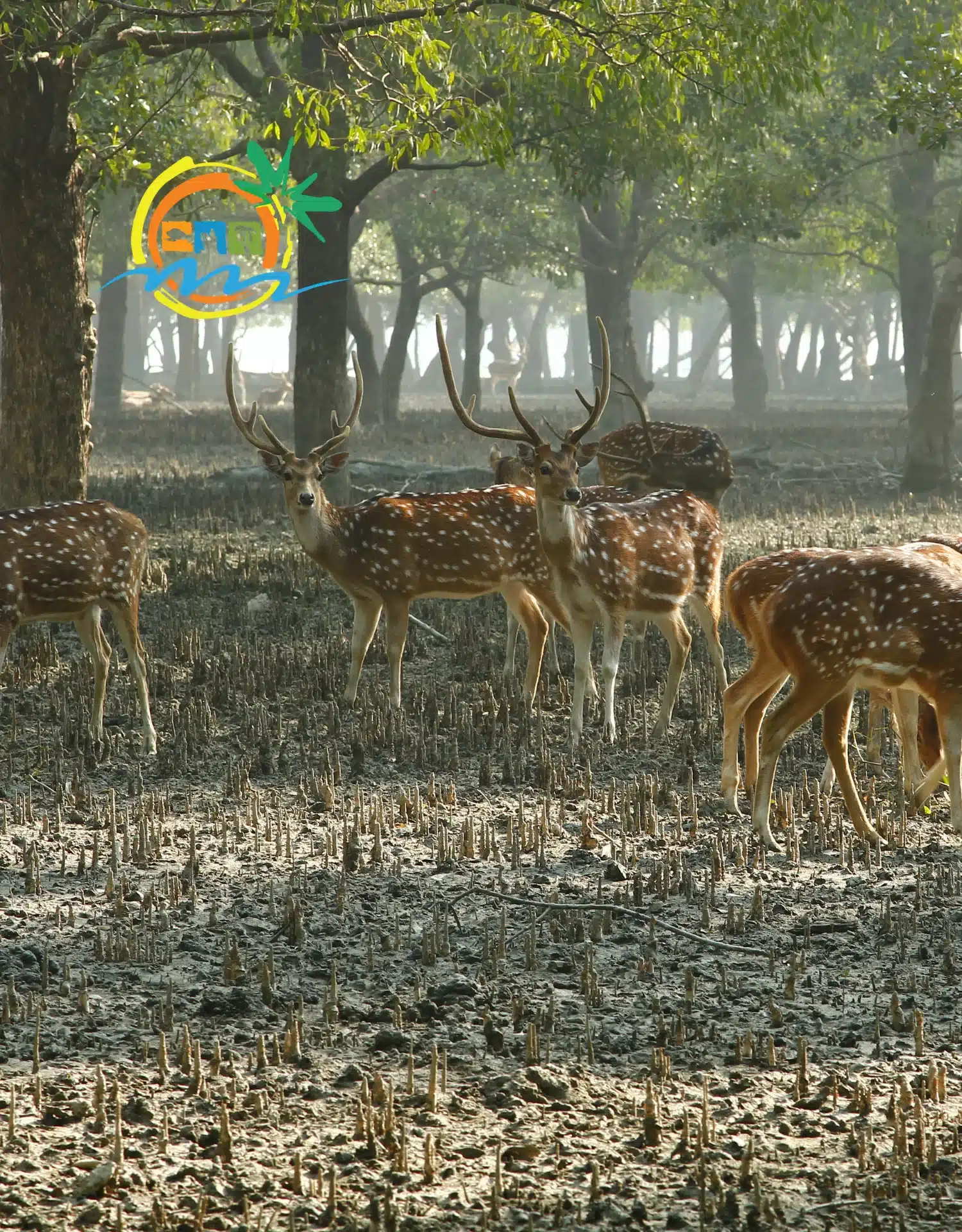
on the western bank of the Shela River, south of the Andharmanik Eco-tourism Centre in the Sundarbans. Since her release, the Forest Department has been continuously monitoring her location and overall condition. Camera Trapping and Monitoring Update July 10–11: Twenty special trap cameras were installed across a 70-square-kilometer area of the Sundarbans to monitor the tigress. July 18 (Initial Review): Analysis of the collected data revealed the presence of three tigers in the area, two of which were clearly tigresses. August 1–2 (Second Review): A re-check of the cameras revealed the presence of three tigers, one of which is new. An additional 20 cameras have been installed to monitor the situation more closely; these will be checked next week. The tigress's current location and territorial status may raise questions in many people's minds—why is the released tigress not being spotted on camera? Tigers are highly territorial animals; they do not tolerate the entry of other tigers into their own territory. The tigress's presence had been recorded in this specific release area during the 2024 survey; therefore, acting on expert advice, she has been returned to her own territory. However, a highly promising development has occurred during these six months of treatment. A young tiger from the eastern bank of the Shala River has now matured and established this area of Andharmanik as its own territory. The fact that young tigers of the Sundarbans are reaching adulthood and claiming their own territories demonstrates that our wildlife is far safer now than at any time in the past. Tiger density in the Sundarbans—measured per 100 square kilometers—rose from 2.17 in 2015 to 2.55 in 2018, and further increased to 2.64 in the 2024 survey. A figure indicating the presence of four tigers within a 70-square-kilometer area suggests that the region is exceptionally rich in tiger populations. Moreover, it cannot be assumed that every tiger in the forest will necessarily walk past a camera. The populations of Chital (spotted deer), barking deer, and wild boars have increased manifold due to the recovery of numerous illegal traps through regular 'smart patrolling' and foot patrolling. Images of abundant tiger prey species are being captured across every camera grid. Round-the-clock surveillance via drones and foot patrols is ongoing. We firmly believe that the tigress is completely healthy and doing well. We expect to receive good news soon as the trapping operations are expanded—Insha'Allah. The role of journalists in conveying accurate information to the public is commendable. A humble request—let us not disseminate unverified news solely for the sake of views or to spread misinformation. May the Sundarbans thrive, and may our national symbol remain protected. Photo: Forest Department / Camera Trapping
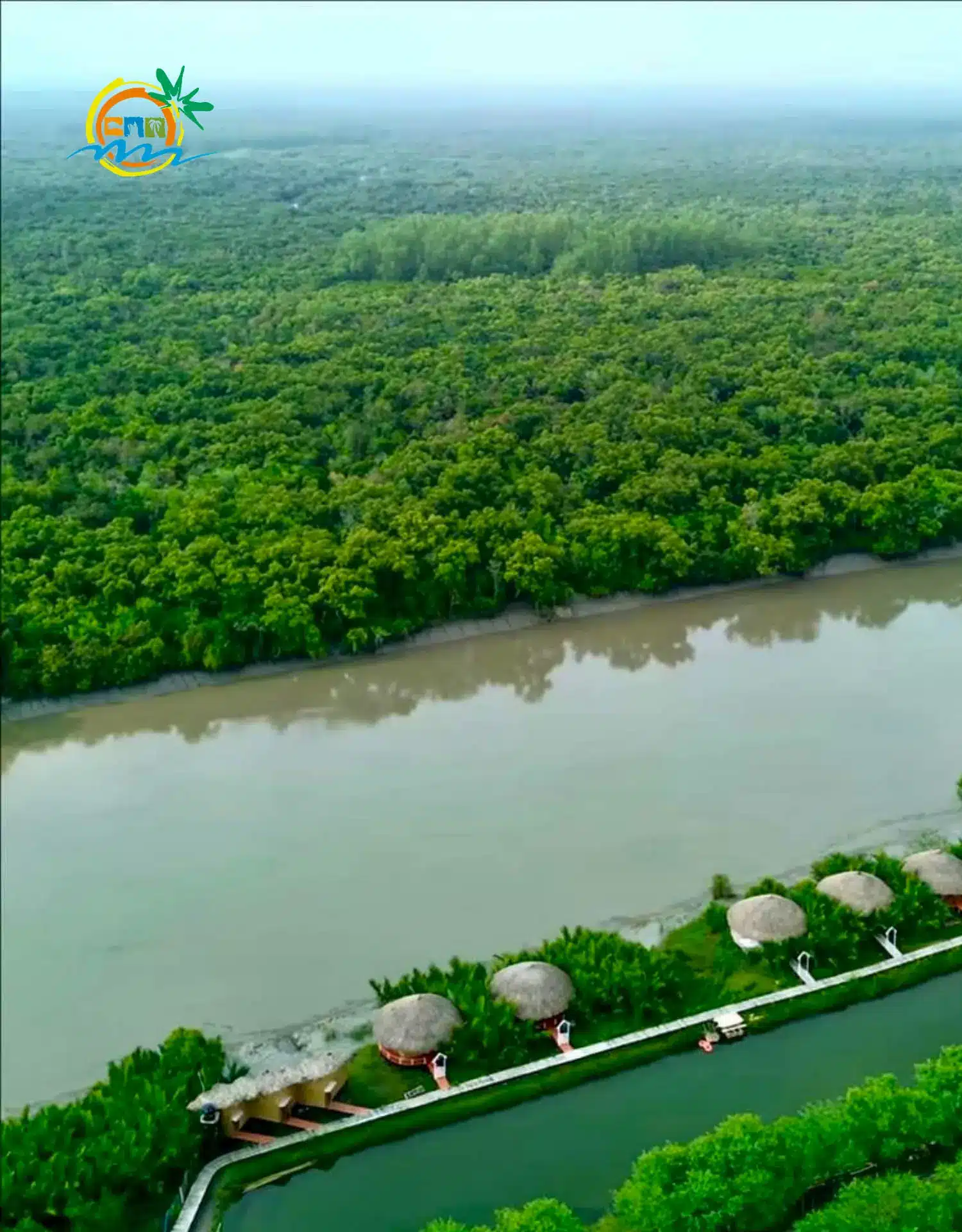
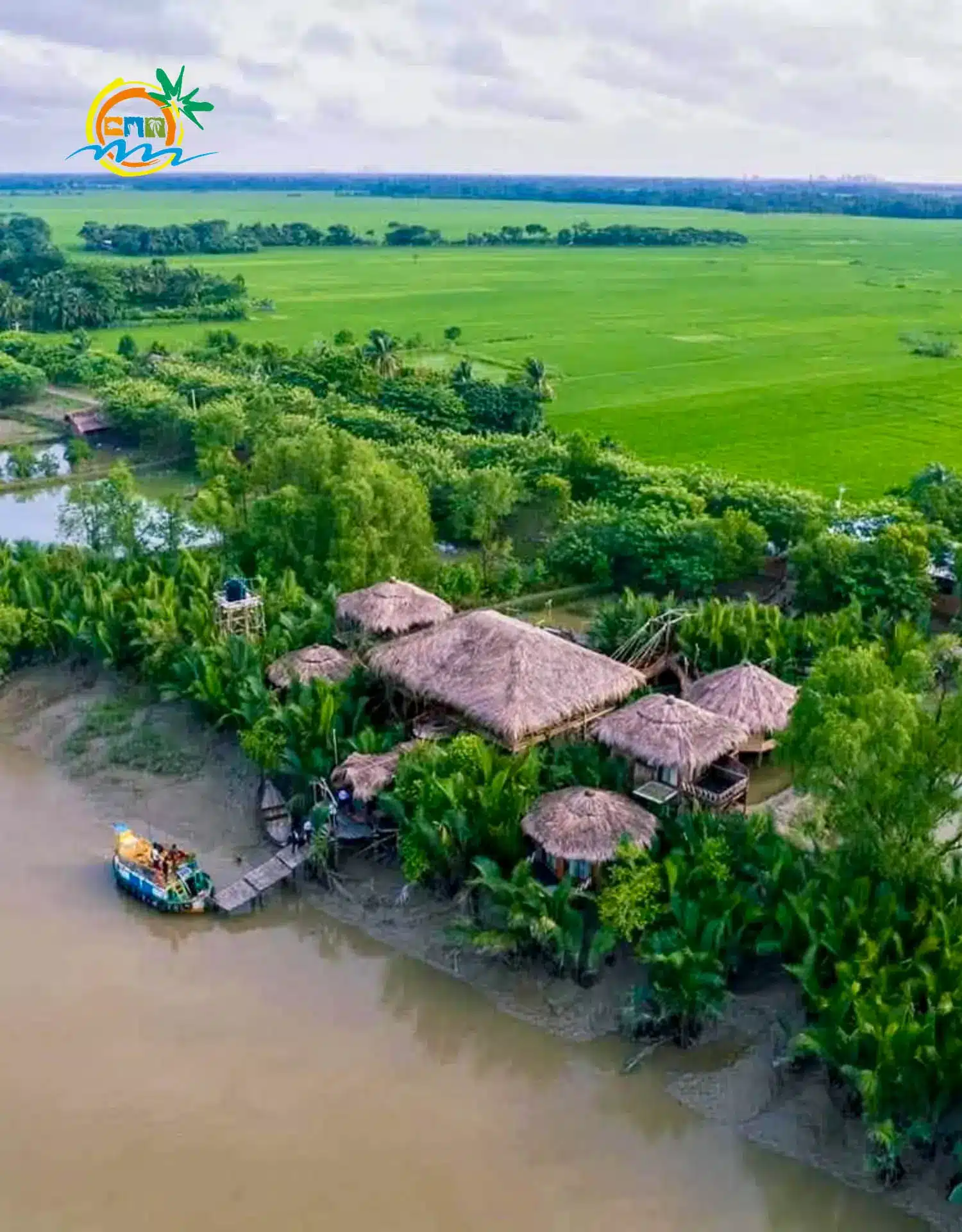






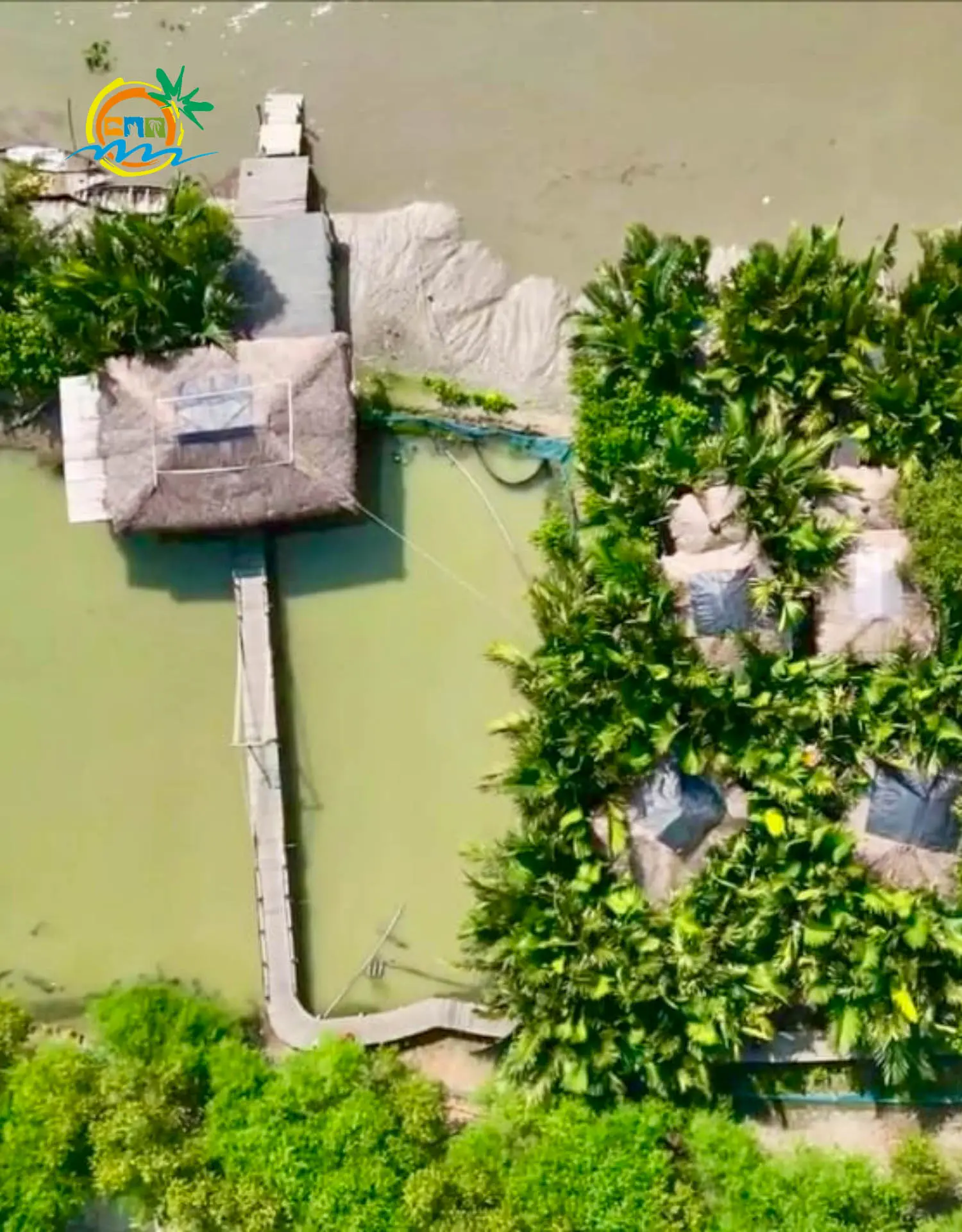




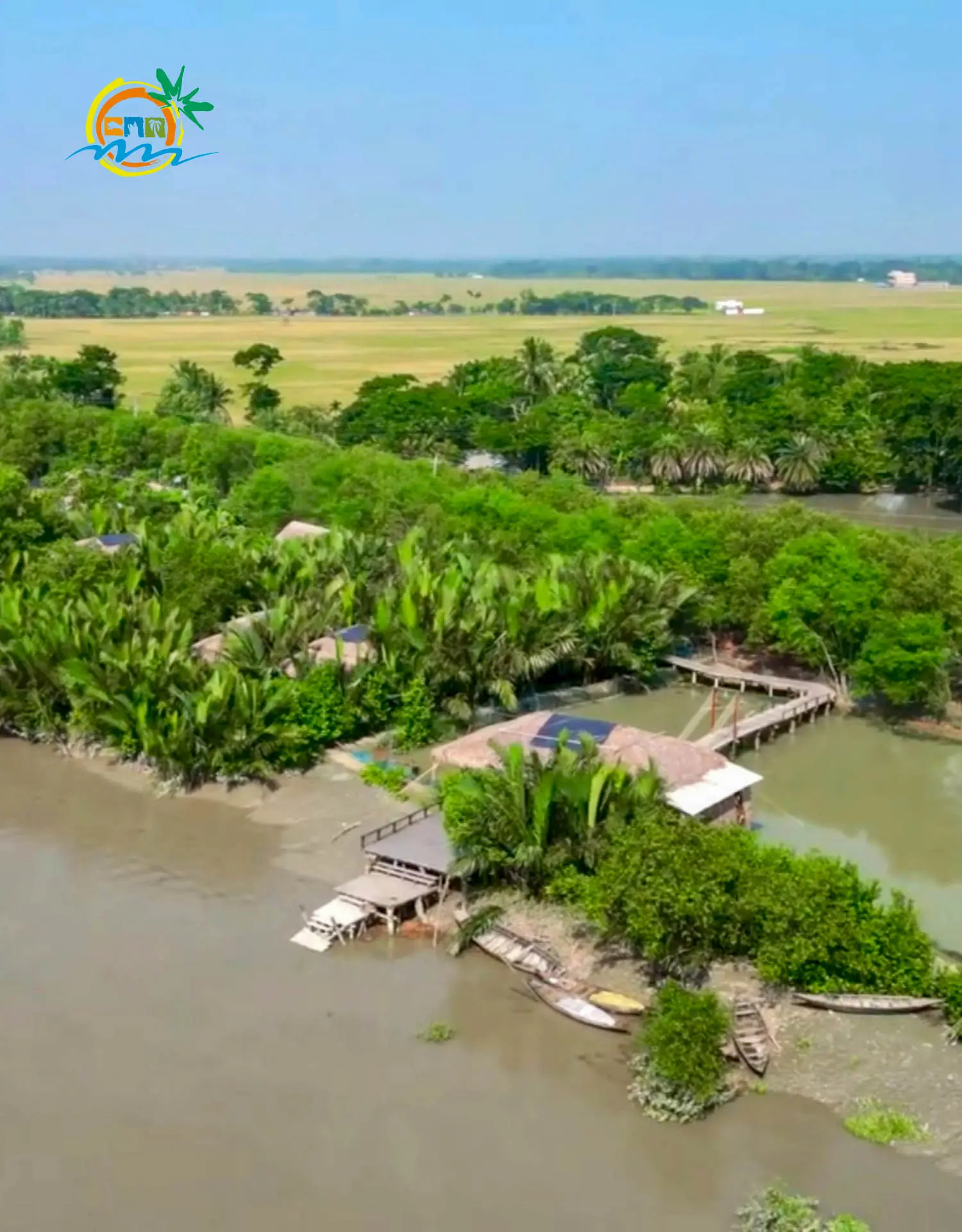


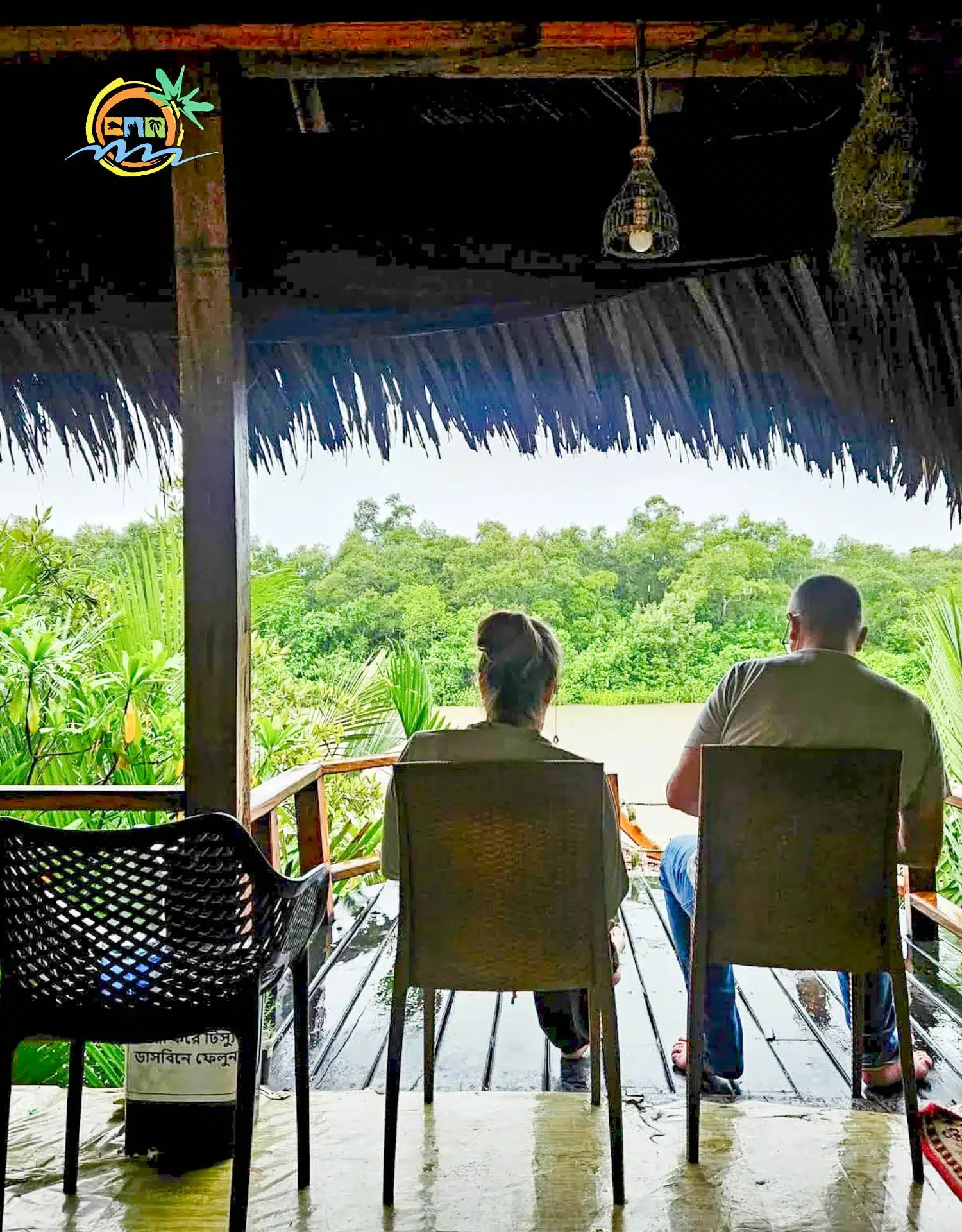



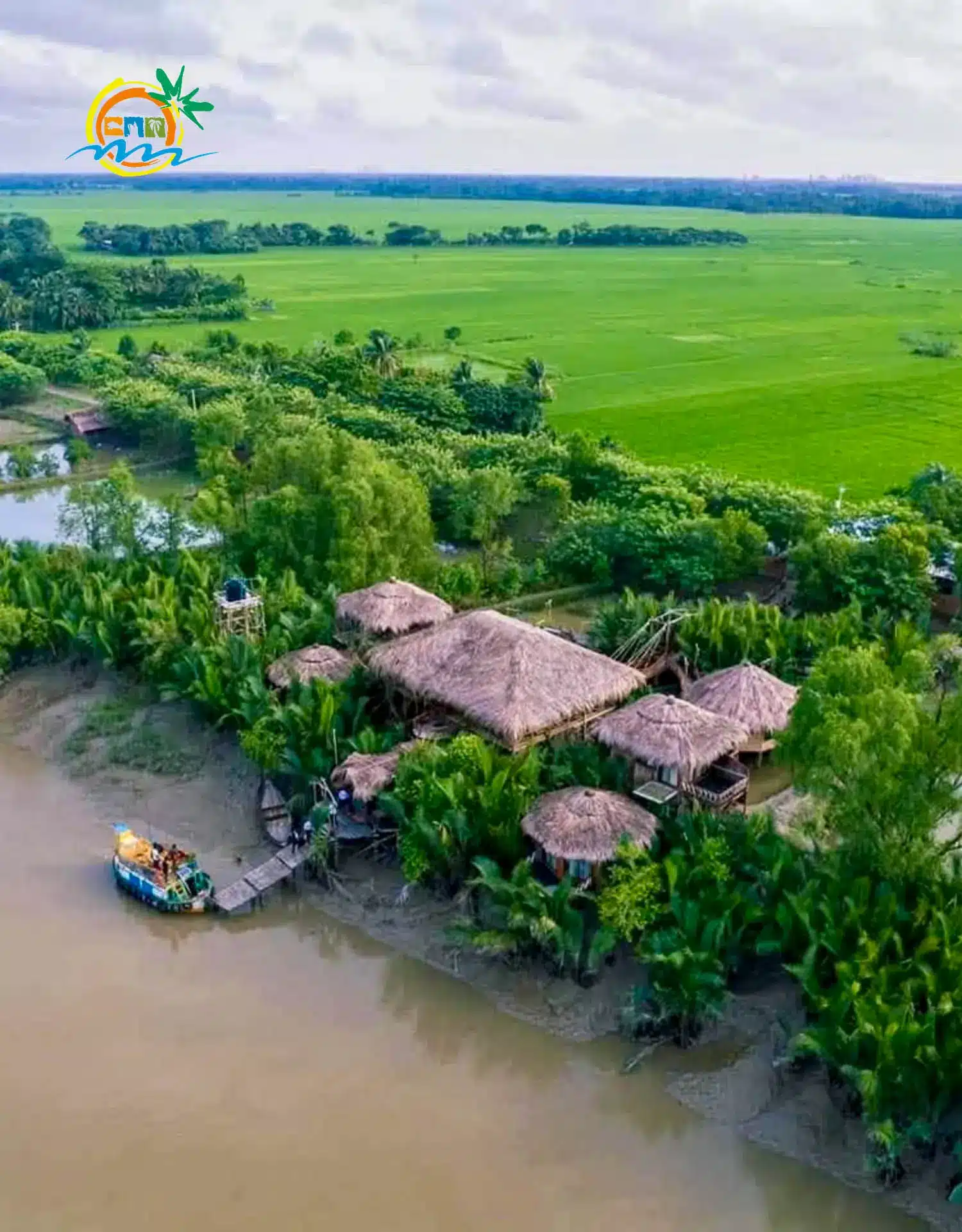
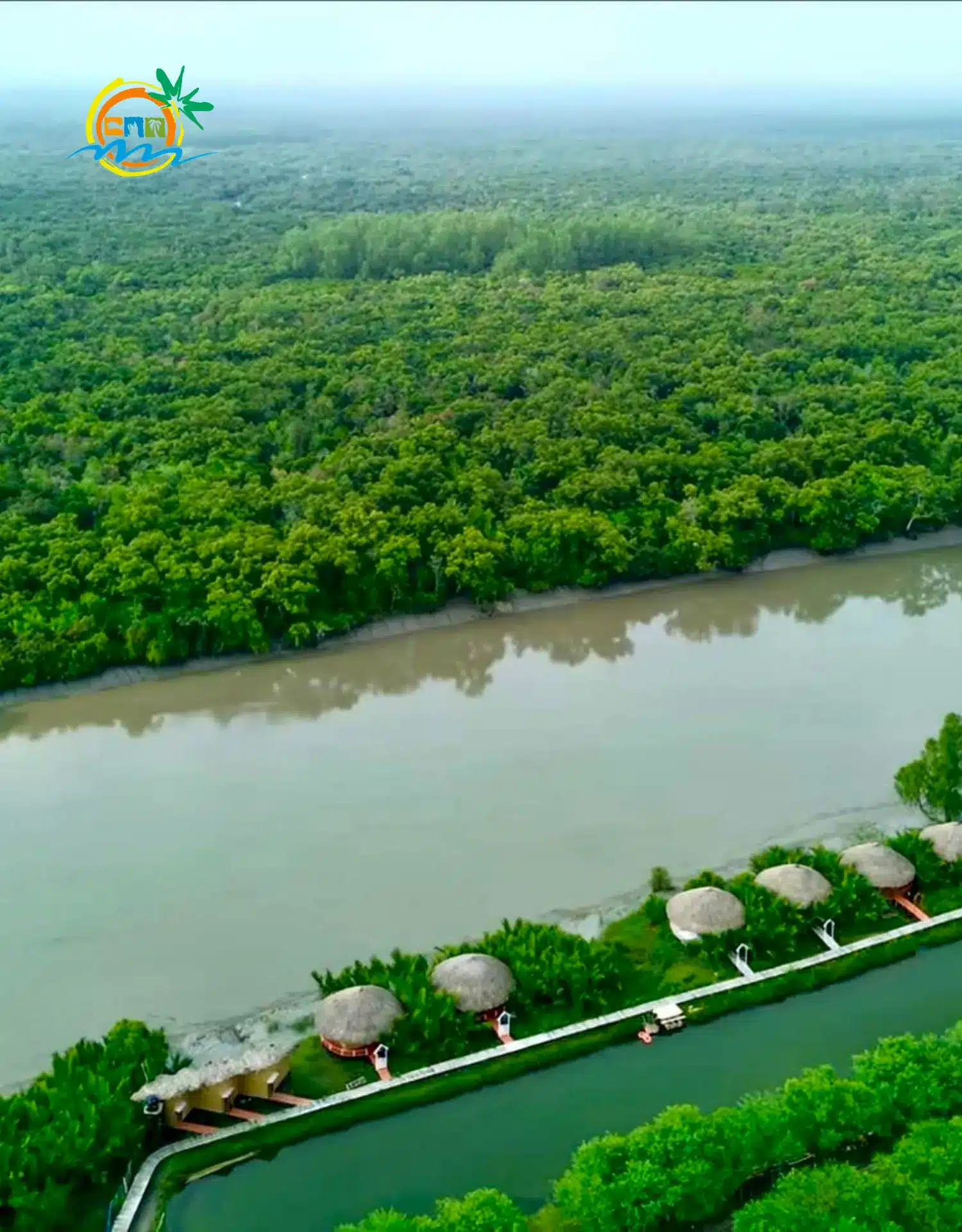
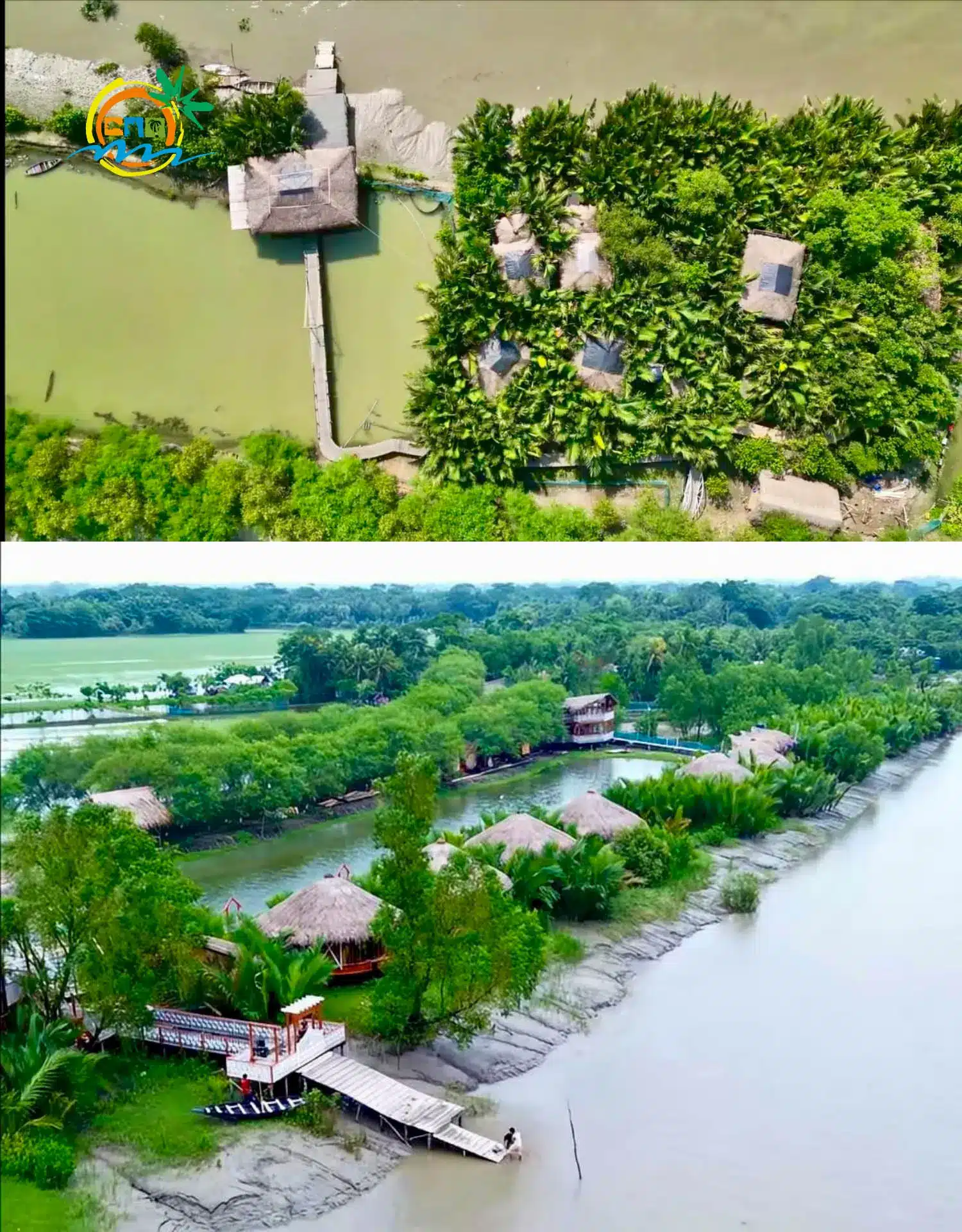

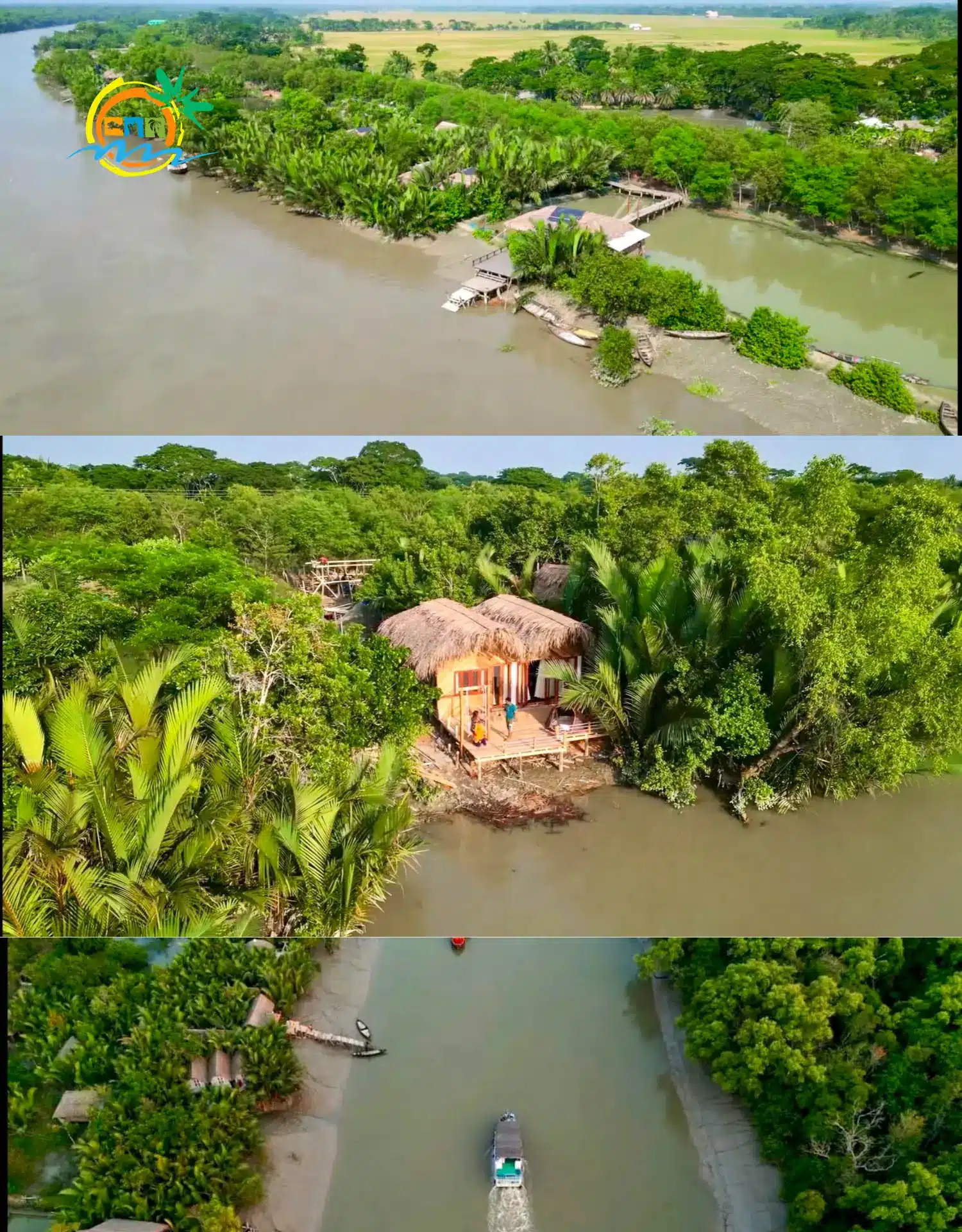


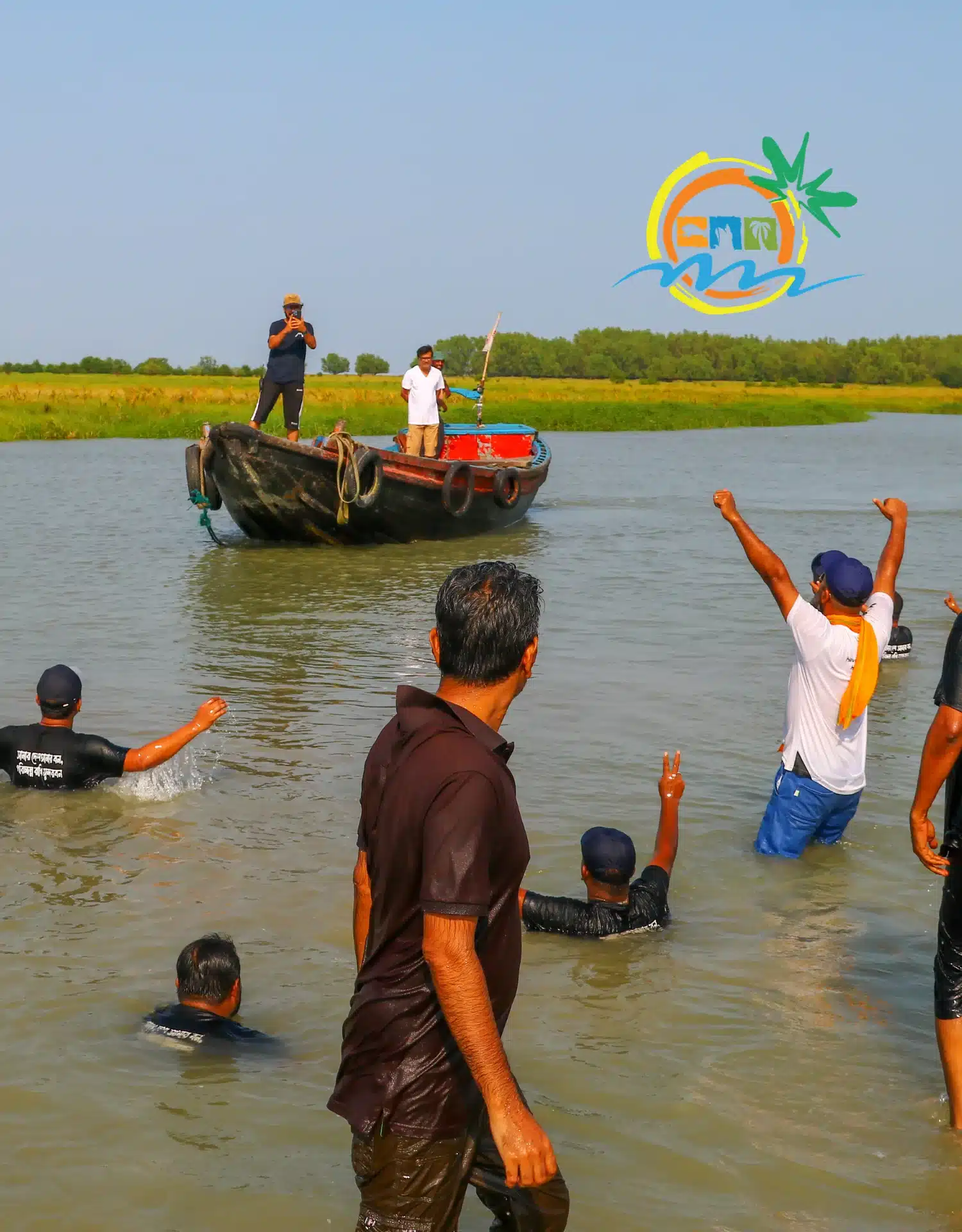































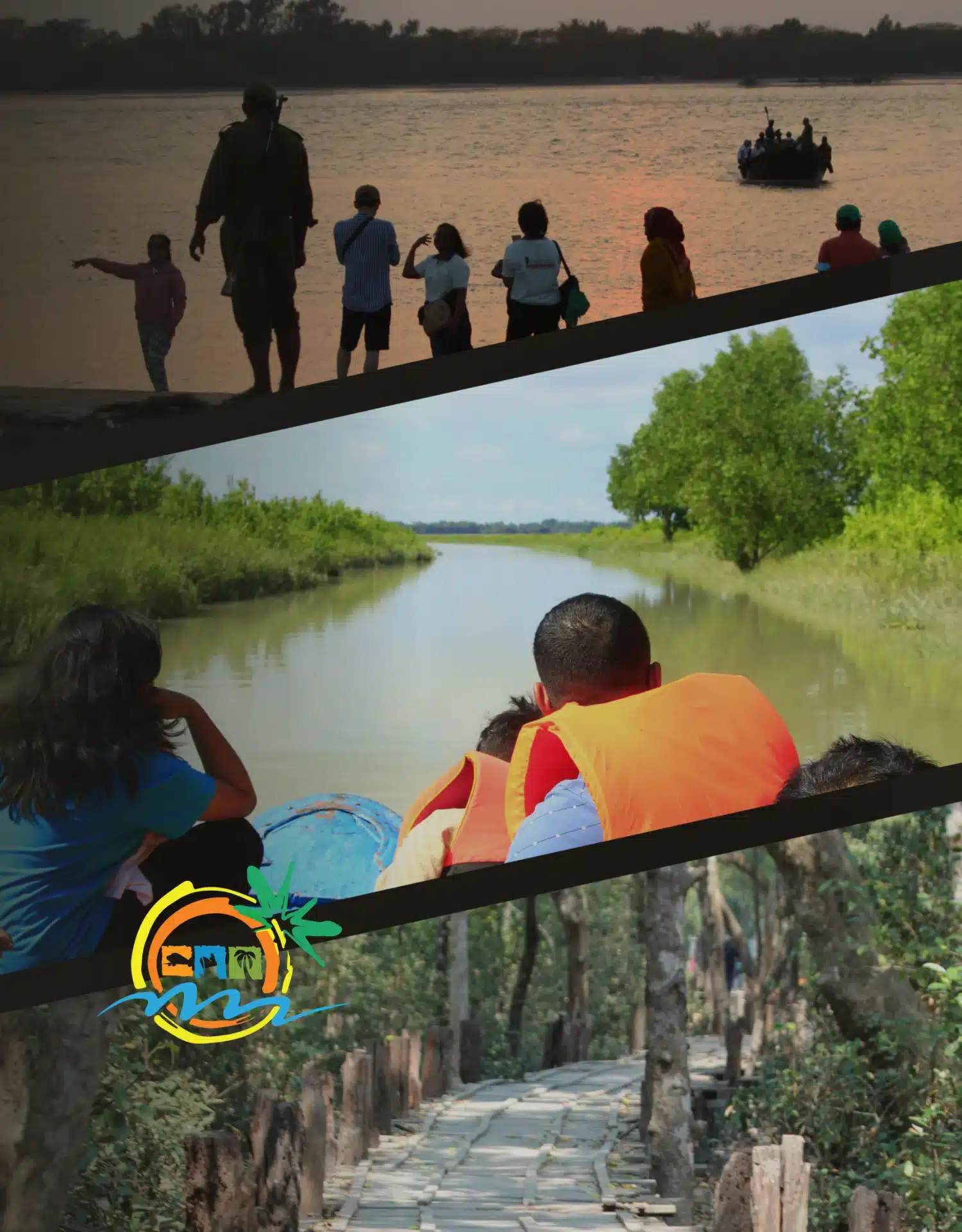















Our Customers Love Us!
Frequently asked questions
Booking is easy! You can:
Book directly online via Sundarban Traveler
Call or WhatsApp our tour coordinators
Choose your package: 2D3N, 3D2N, or special honeymoon & family tours
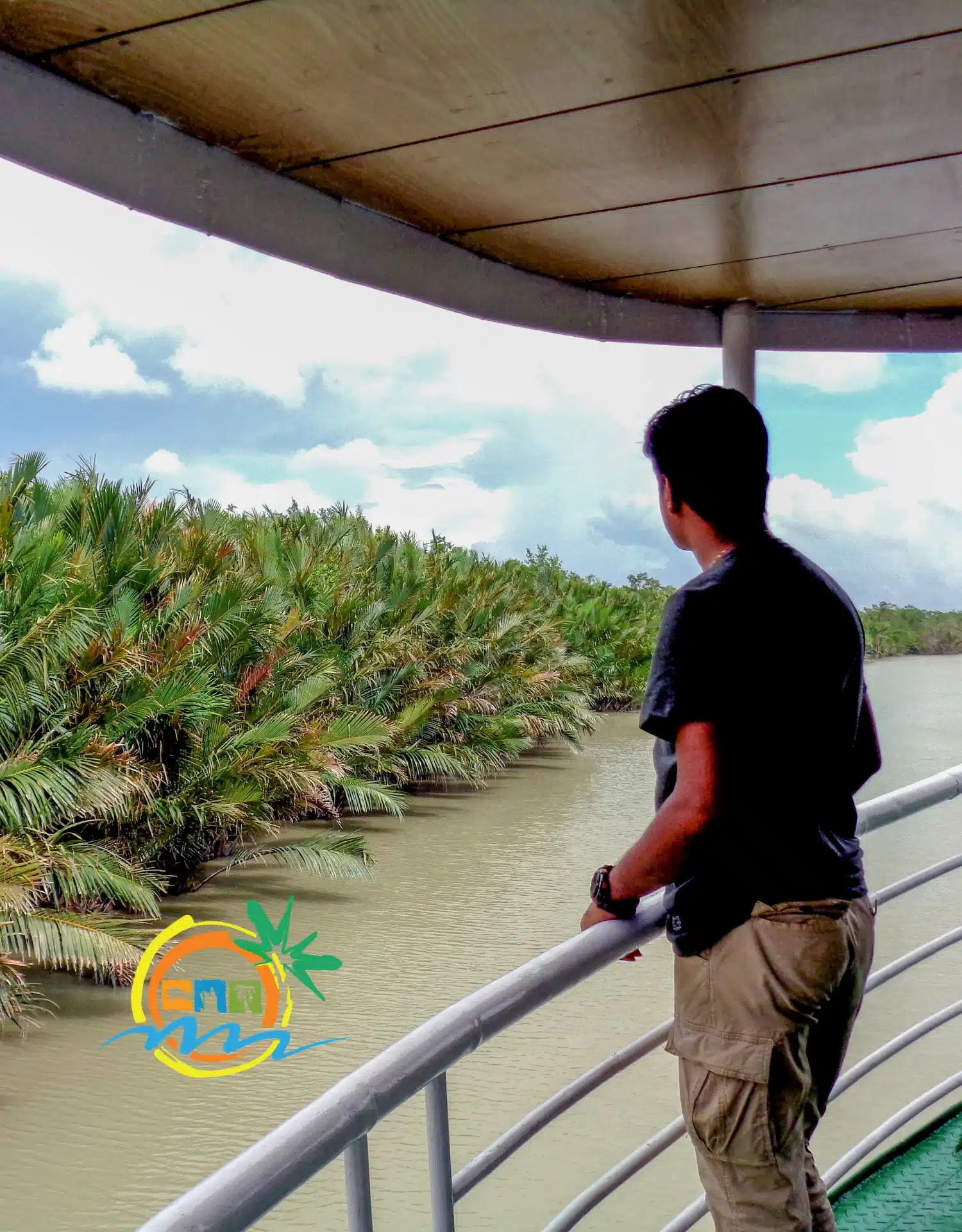
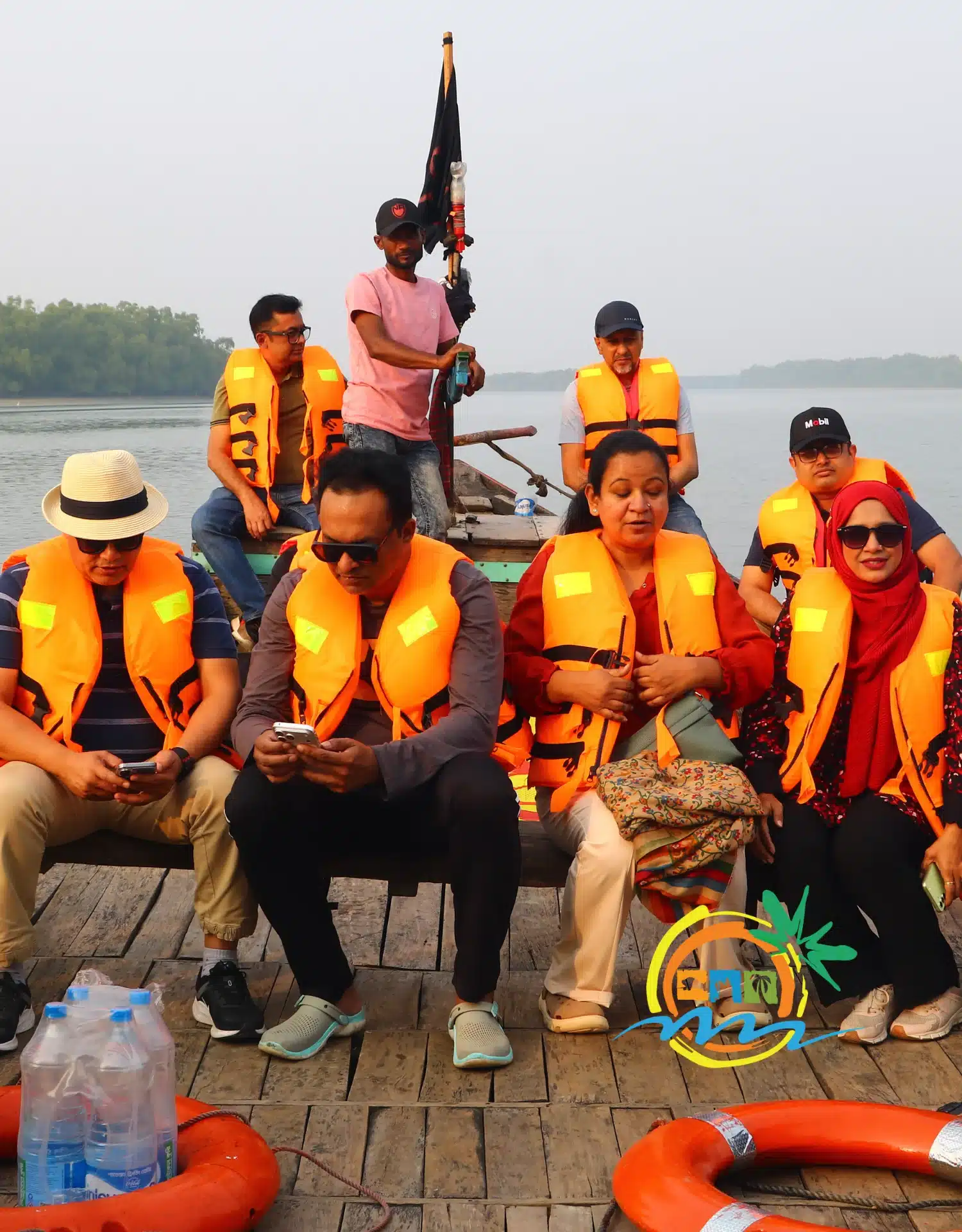
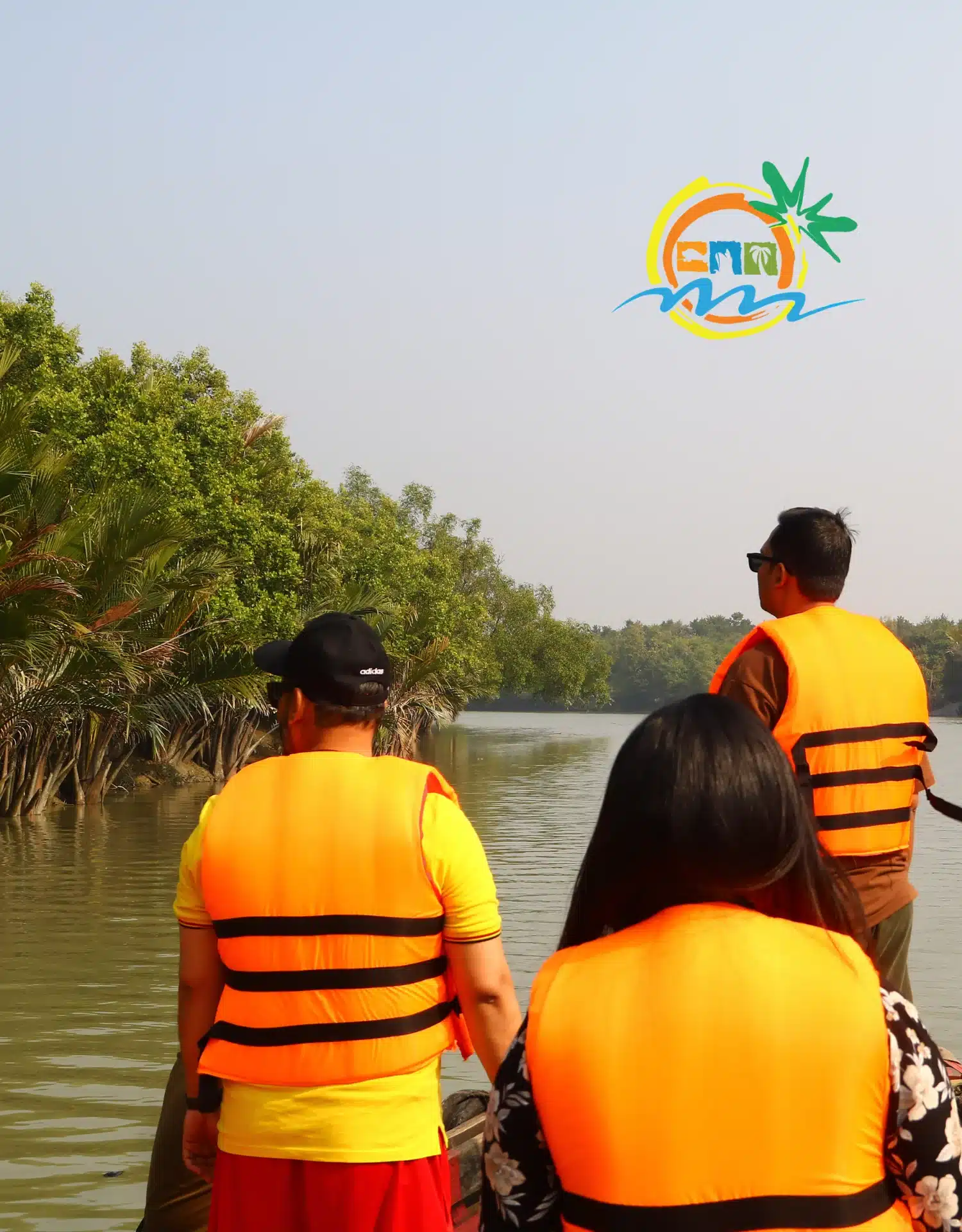
Experience the thrill of Sundarban boat trips, witness the Royal Bengal Tiger, and explore Kotka, Kochikhali, Hiron Point, Andarmanik, and Dublar Char with professional guidance.
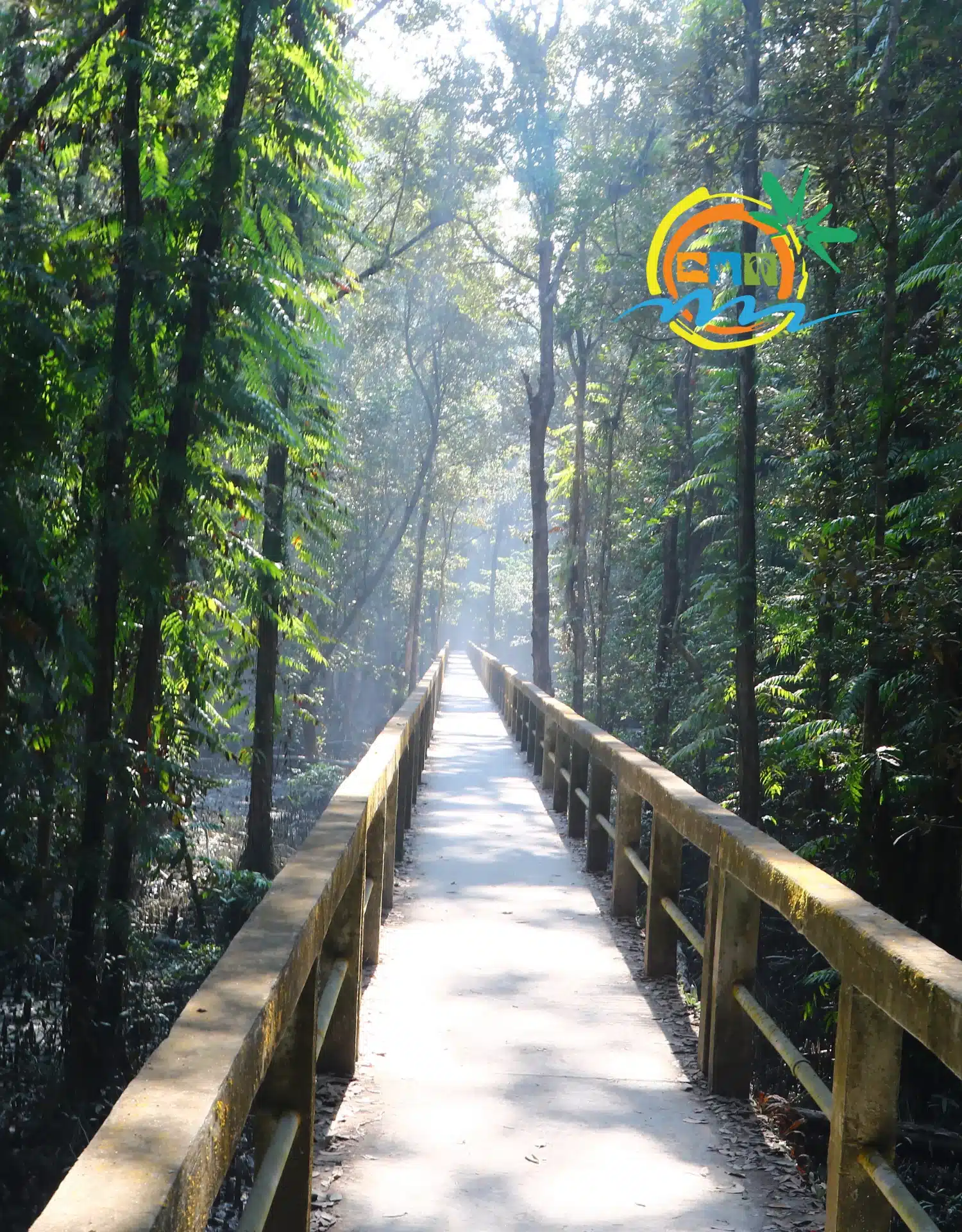
The Sundarbans is not just a forest; it’s a living heritage that needs to be explored responsibly. With Sundarban Traveler, tourists can enjoy the beauty, history, and wildlife of this mangrove paradise safely and sustainably.
Whether it’s a family tour, a group tour, or an adventure trip, booking a Sundarban tour package ensures an unforgettable experience in one of the world’s most unique ecosystems.
Kotka Sundarban Tour
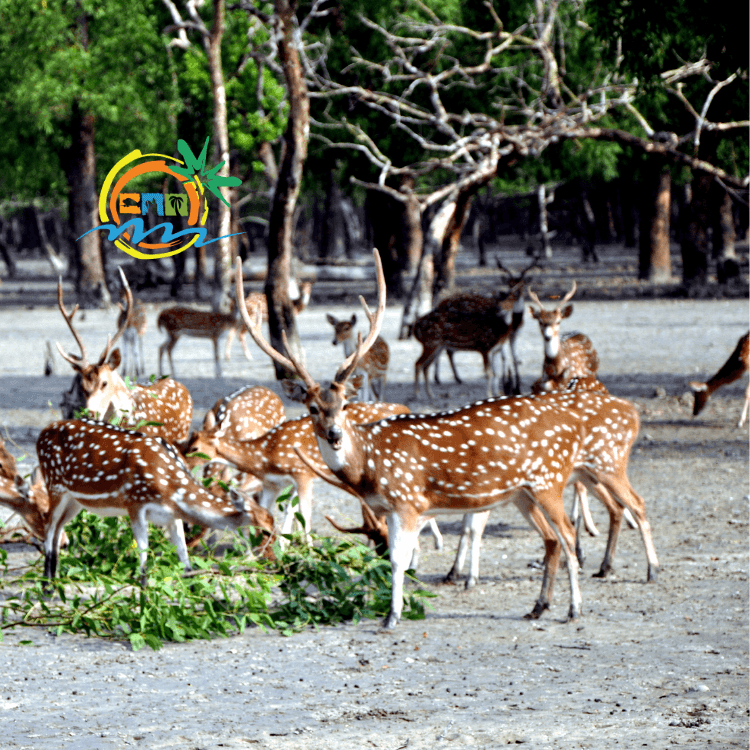
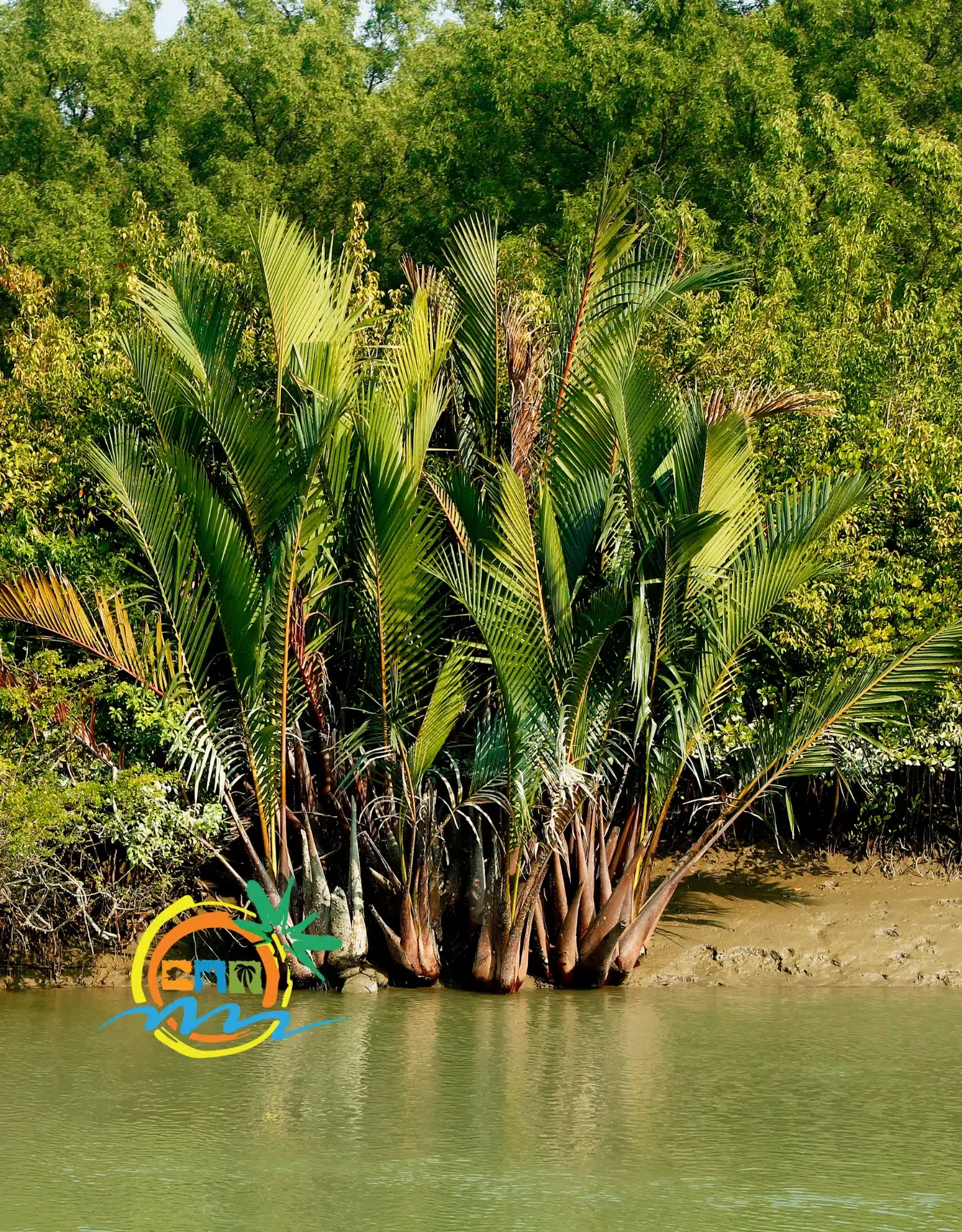
Kotka is a central hub for Sundarban boat trips and wildlife spotting. A guided tour here allows visitors to experience the dense mangroves and spot tigers, crocodiles, and a variety of bird species.
Kochikhali Wildlife Sanctuary
Famous for its diverse wildlife, Kochikhali is a must-visit for nature enthusiasts. Bird watchers and wildlife photographers will find this location particularly rewarding.
Hiron Point (Nilkamal)
Hiron Point, also known as Nilkamal, is ideal for scenic views, photography, and spotting the Royal Bengal Tiger from a safe distance.
Andarmanik and Harbaria
These remote areas are perfect for those seeking adventure and tranquility. Eco-tourism activities are encouraged to preserve the forest’s biodiversity.
Jamtola Watch Tower & Koromjal Forest Station
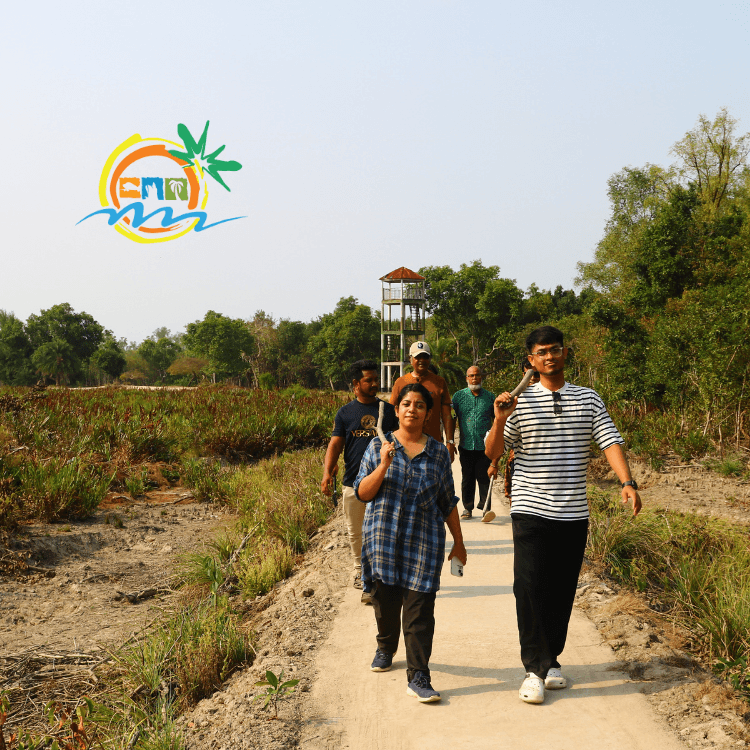
Jamtola Watch Tower offers panoramic views of the mangrove forest, while Koromjal Forest Station provides insights into forest conservation and management practices.
Dublar Char (Alor Kol)
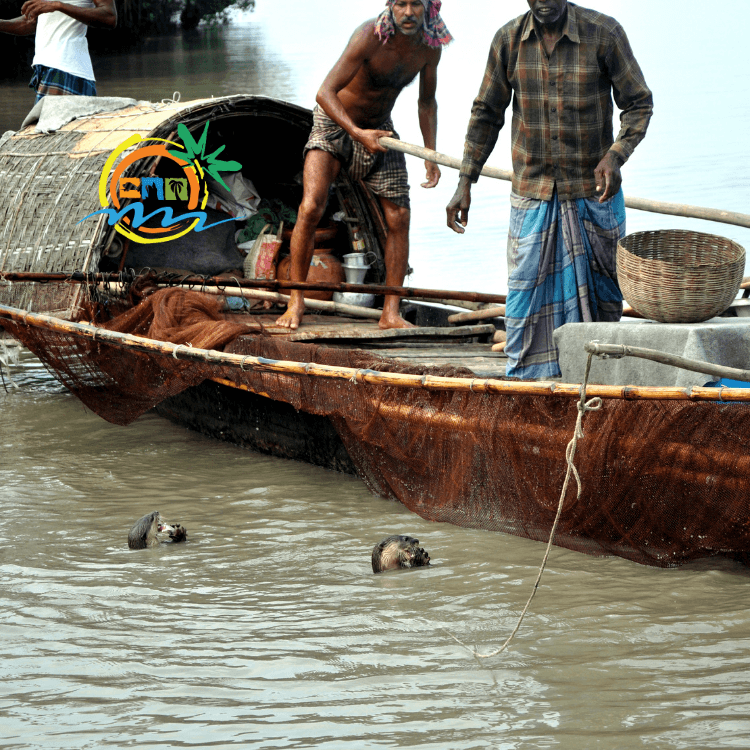
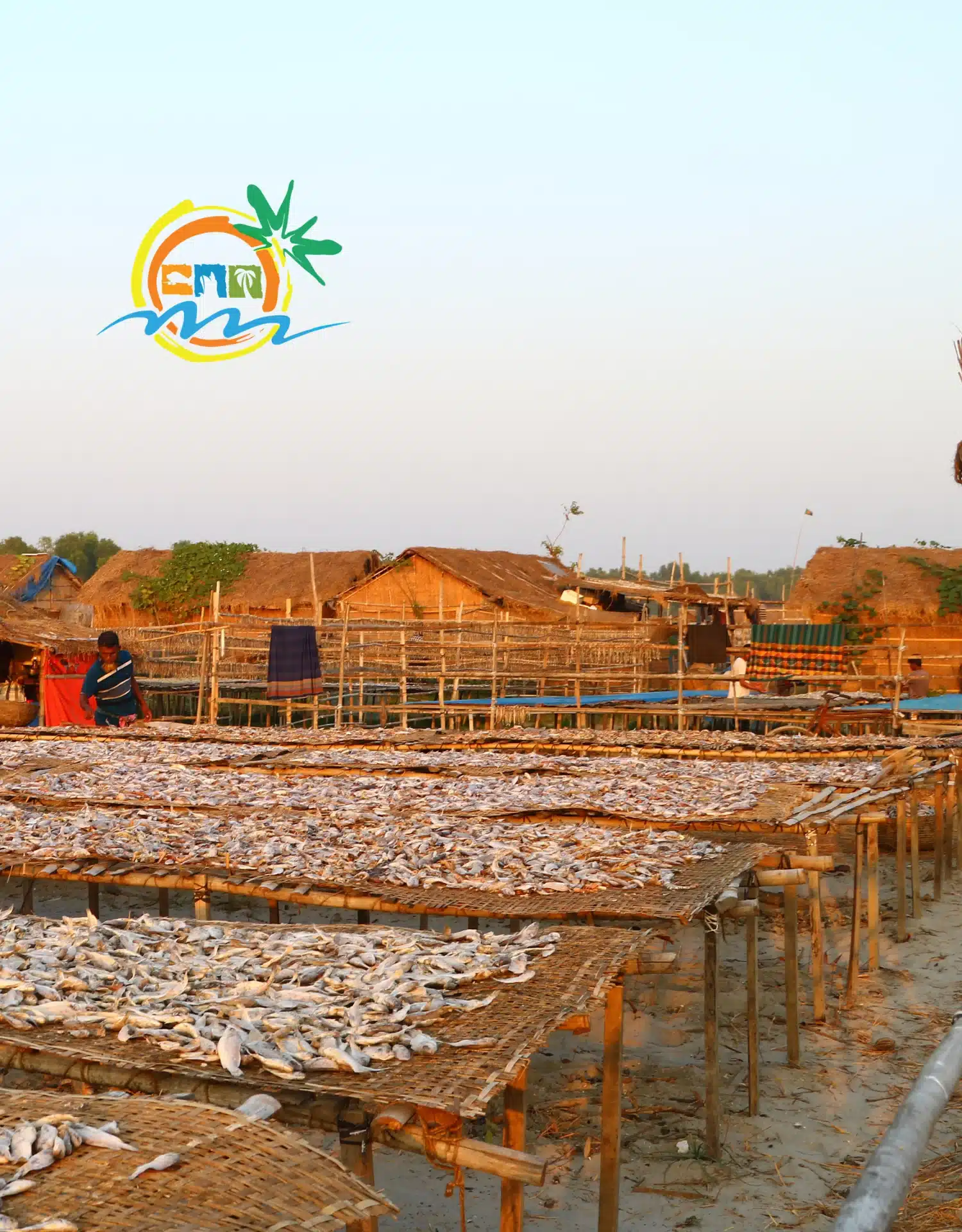
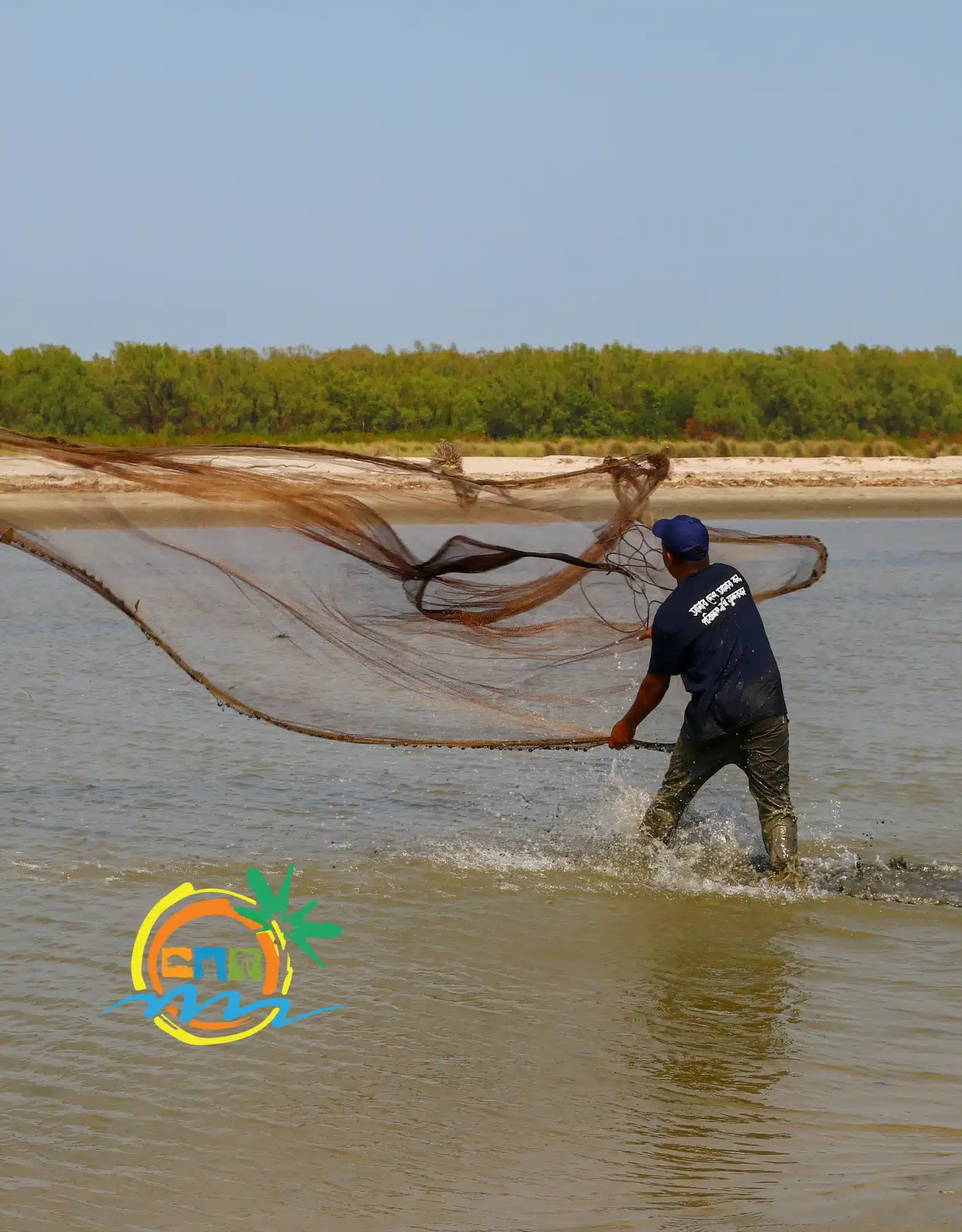
Dublar Char is famous for its golden sunsets, rich biodiversity, and as a key fishing area. Tourists can enjoy the serene environment and learn about the local ecosystem.
2 Days 3 Nights Sundarban Tour
Guided boat trip
Accommodation with traditional Bangladeshi meals
Visit Kotka, Kochikhali, and Hiron Point
3 Days 2 Nights Sundarban Tour
Extended package covering Andarmanik, Harbaria, and Dublar Char
Eco-tour and adventure activities
Family-friendly and honeymoon options
Special Packages
Family Tour Packages
Honeymoon Packages
Group Tours
Eco-Tour & Adventure Trip Packages
Book online now for the best Sundarban tour package and enjoy an unforgettable journey into the mangroves.
Tourist Guide: Making Your Sundarbans Journey Memorable
Tourist Do’s: Your Checklist for Success
Be Prepared: Carry adequate dry food, drinking water, essential medicines, and a basic first aid kit.
Footwear Matters: Wear comfortable waterproof sandals or sneakers suitable for muddy trails and forest walks.
Identification: Always keep a copy of your National ID card (or Passport for foreigners) for forest department verification.
Seasonal Clothing: Bring warm clothes if you are traveling during the winter (November to February).
Stay Connected: Use a Teletalk SIM card, as it provides the most reliable network coverage deep inside the forest.
Respect and Listen: Follow your guide’s instructions strictly and be respectful toward the local communities.
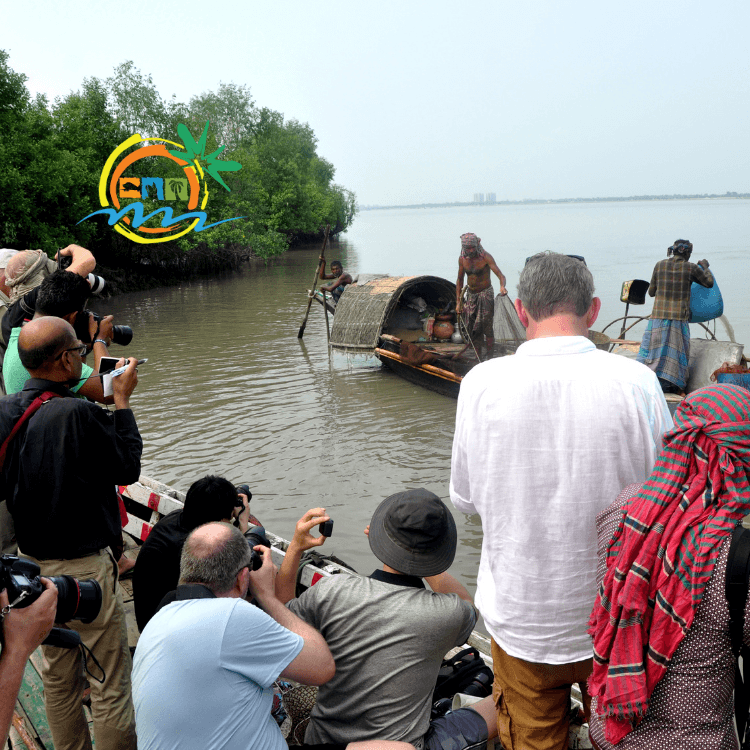
Photography: Keep your camera ready but ensure the flash is turned off when photographing wildlife to avoid startling them.
Tourist Don’ts: Rules to Follow
No Harmful Gear: Do not carry firearms, traps, poisons, or any kind of hunting equipment. It is a strictly protected area.
Keep it Quiet: Avoid making loud noises, shouting, or using microphones/sound systems. Silence increases your chances of spotting a Tiger.
Respect Wildlife: Never attempt to feed, touch, or disturb any wild animals. Remember, you are a guest in their home.
Zero Littering: Do not throw plastic, polythene, or any trash into the forest or water. Keep all waste to be disposed of later in the ship’s bins.
Water Safety: Never attempt to swim or bathe in the rivers, canals, or the sea. The water is home to crocodiles and unpredictable currents.